

Can luck really change your casino fate?
The Concept of Luck in Gambling
Luck is often regarded as the driving force behind the outcomes in gambling, particularly in casino games. Many players enter these establishments with the belief that a stroke of luck can provide them with a significant windfall, especially when they explore betting sites that offer enticing promotions. This idea is deeply ingrained in popular culture, where stories abound of individuals striking it rich seemingly out of nowhere. However, the concept of luck is multifaceted, with various interpretations that can be influenced by psychological and social factors. These interpretations can shape how individuals approach gambling, impacting their experiences and outcomes.
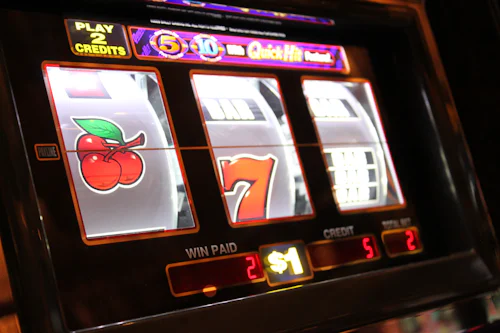
In many cases, luck is viewed through a lens of randomness. Casino games such as slots, roulette, and poker are largely driven by chance. Players might believe that luck can sway the outcome in their favor on a given day. However, this doesn’t take into account the probabilities and odds that govern these games. For instance, a slot machine’s payout is determined by a random number generator; thus, while one could have a lucky day, the odds remain constant regardless of previous outcomes. Understanding that luck is essentially a perception can help players maintain a realistic view of their gambling experiences.
Moreover, the belief in luck can sometimes create a psychological phenomenon known as the “gambler’s fallacy.” This is where players believe that past events can influence future outcomes in independent games. For example, a player might think that a particular number is “due” to hit on a roulette wheel because it hasn’t appeared in several spins. This mindset often leads to poor betting decisions, reinforcing the idea that luck is the sole determiner of success in the casino environment. It is crucial for players to recognize these cognitive biases to make more informed choices while gambling.
The Role of Skill and Strategy
Contrary to the notion that luck is the only factor to consider, skill and strategy play a crucial role in many casino games. For instance, in games like poker, understanding the mechanics of the game, reading opponents, and employing sound strategies can significantly enhance a player’s chances of success. In this realm, skill may often overshadow luck, as seasoned players consistently outperform novices over the long term. This showcases how preparation and knowledge can be just as vital as the whims of fortune.
To illustrate this, consider blackjack, where players can influence the game through basic strategy. By following certain guidelines on when to hit or stand, players can reduce the house edge and improve their odds. This strategic approach demonstrates how knowledge and skill can directly impact the outcome, contrasting with pure games of chance where luck reigns supreme. Thus, while luck may provide momentary wins, consistent success often comes from skillful play, emphasizing the importance of developing a strategic mindset.
The importance of skill extends beyond just personal gameplay; it also applies to understanding the nuances of games. Players who invest time in learning the intricacies of their favorite casino games can increase their chances of walking away with profits. This combination of strategy and skill can often create a synergy that balances out the randomness of luck, making it a vital consideration for anyone serious about their gambling endeavors. It is this balance that can lead to a more fulfilling gaming experience, where strategy and skill are celebrated alongside the unpredictable nature of luck.
The Psychological Impact of Luck and Superstition
The psychological effects of luck and superstition in casinos are profound. Many players adopt rituals or superstitions in hopes of attracting good fortune. This can range from wearing specific clothing to carrying lucky charms. Such behaviors highlight the psychological comfort derived from a belief in luck, even when the statistical reality remains unaffected. For many, these rituals can enhance their enjoyment of the experience, making the act of gambling feel more engaging and thrilling, as it creates a narrative of hope and possibility.
This psychological dependence on luck can lead to a cycle of behavior known as “loss chasing.” Players may believe that by adjusting their tactics or embracing certain lucky charms, they can turn their fortunes around. While it’s essential to find enjoyment in the gaming experience, such mindsets can be detrimental if they lead to compulsive gambling or significant financial losses. Understanding the psychology behind luck can help players recognize when their enthusiasm borders on unhealthy behaviors, allowing them to maintain a healthier relationship with gambling.
Furthermore, casinos often capitalize on this belief in luck by creating environments that evoke feelings of excitement and anticipation. Bright lights, vibrant colors, and engaging sounds are designed to amplify the thrill of gambling and reinforce the notion that luck can change at any moment. This sensory overload keeps players engaged and invested, fostering a belief that their fortunes could turn with the next spin or hand. Thus, players are continually lured into believing that fortune may be just around the corner, further entwining the concepts of luck, psychology, and the casino experience.
The Odds and Statistical Reality
It is essential to acknowledge the statistical reality underlying casino games. Each game is built on a foundation of odds that dictate the likelihood of winning or losing. For instance, in games like roulette, players can choose from various betting options, each with its own odds. The casino operates with a built-in advantage known as the house edge, which ensures that, over time, the house will always profit. Understanding these odds can demystify the role of luck and highlight the importance of informed decision-making, allowing players to navigate their gaming experience with greater clarity.

The misconception that luck plays a larger role than it actually does can lead players to make uninformed bets. For example, placing bets solely on a hunch without considering the odds can result in substantial losses. A more successful approach is to familiarize oneself with the probabilities and strategies associated with the game. This knowledge empowers players to make educated choices, ultimately enhancing their gaming experience. Recognizing the balance between luck and strategy can help players enjoy the thrill of the game while still making rational decisions.
Moreover, statistical analyses can help players grasp the long-term implications of their gambling habits. While one may experience a lucky streak, the odds indicate it is an anomaly rather than a reliable pattern. By embracing a more analytical view of luck and probability, players can develop a healthier relationship with gambling, approaching it as an entertainment option rather than a guaranteed source of income. This mindset shift can help prevent the pitfalls of chasing losses and reinforce responsible gambling practices.
Conclusion About Luck and Casino Gaming
In conclusion, while luck undeniably plays a role in casino gaming, it is not the sole determinant of success. Players who combine their understanding of odds, strategy, and skill can significantly improve their chances of achieving favorable outcomes. Furthermore, acknowledging the psychological aspects of luck can empower players to engage in healthier gambling habits, ensuring that the experience remains enjoyable rather than detrimental. Balancing luck with strategy can create a more rewarding gaming environment.
Ultimately, casinos offer environments where luck can create exhilarating moments, but informed decision-making and strategic play are essential for long-term success. By recognizing the interplay between luck, skill, and psychological factors, players can navigate the thrilling world of casinos more effectively. This understanding can lead to a more rewarding experience overall, where players can appreciate the excitement of gambling while maintaining a realistic perspective on their chances of winning.
As players continue to explore the world of casinos, understanding the dynamics of luck and skill can enhance their ability to engage with the games. Whether for entertainment or the thrill of competition, a balanced approach that appreciates both elements can lead to a more fulfilling experience, allowing players to enjoy the excitement of chance while making informed decisions. By fostering this approach, players can maximize their enjoyment and minimize potential risks, ensuring that their gaming adventures remain positive and enriching.