

Mastering the art of bluffing in poker: A casino guide
Understanding the Basics of Bluffing
Bluffing is an essential strategy in poker that involves deceiving your opponents regarding the strength of your hand. It plays a crucial role in creating uncertainty, allowing you to win pots that you might not otherwise claim. At its core, bluffing requires a solid understanding not only of your own cards but also of how your opponents perceive their hands, especially when considering the best betting sites australia that offer various poker games. The art of bluffing is about exploiting their tendencies and emotions, making it essential for players to remain observant and adapt their strategies accordingly.
To successfully execute a bluff, timing and situational awareness are paramount. A well-timed bluff can turn the tide of a game and lead to a higher payout. This means you must be keenly aware of the game’s dynamics—how aggressive your opponents are, their betting patterns, and their reactions to different situations. For instance, if a tight player suddenly bets heavily, it is crucial to assess whether this is a sign of strength or an indication of a potential bluff.
Moreover, the context in which you choose to bluff can make all the difference. Different types of poker games and stages in a tournament may call for specific bluffing strategies. Understanding when it is appropriate to bluff, whether it’s during early rounds or later stages when the stakes are higher, can enhance your overall strategy. Adapting your approach to the unique circumstances of each hand will greatly improve your chances of success.
Types of Bluffs and When to Use Them
In the world of poker, various types of bluffs can be employed, each tailored to specific scenarios. One common type is the ‘pure bluff,’ where you represent a strong hand despite holding weak cards. This type of bluff is most effective against opponents who are likely to fold under pressure. Another type is the ‘semi-bluff,’ where you hold a hand that has the potential to improve, allowing for a more flexible strategy as the game unfolds. Knowing when to employ each type based on your read of the table is vital for successful bluffing.
For example, a pure bluff is often more effective in situations where the board shows little potential for strong hands and your opponents have a history of caution. However, in a scenario where you have a draw, such as a flush or straight draw, a semi-bluff could pressure your opponents into folding while still offering you the potential to improve your hand on the next card. This flexibility allows you to maneuver through different stages of the game effectively.
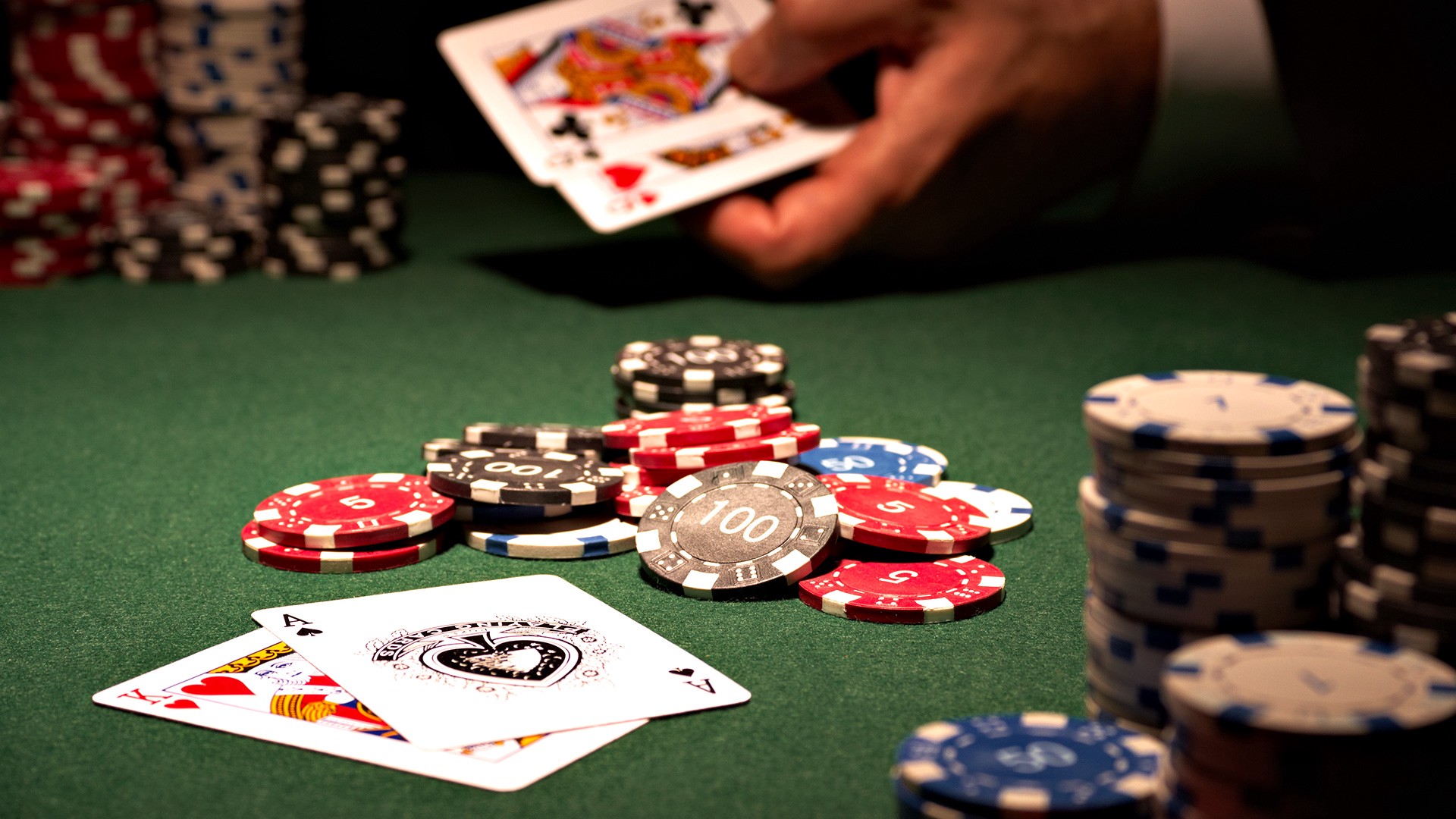
Understanding the table dynamics greatly influences the timing of your bluffs. When playing against loose players who enjoy calling bets, your bluffs may be less effective. Conversely, against tight players prone to folding, the same bluff can yield significant gains. The key is to evaluate your opponents’ tendencies and adjust your bluffing strategy based on their behavior and the current state of the game. The more you practice and hone this skill, the better you will become at bluffing successfully.
Reading Your Opponents: The Key to Successful Bluffing
One of the most critical aspects of bluffing in poker is the ability to read your opponents. Successful players cultivate the skill of observing physical tells, betting patterns, and behavioral changes that occur during a hand. This observational skill allows you to gauge not only the strength of your opponents’ hands but also their likelihood of folding when put under pressure. Paying attention to small details can reveal critical insights that inform your bluffing decisions.
For example, if a player suddenly becomes quiet and still after a round of betting, it might indicate unease and a weaker hand. Alternatively, if they start talking or become overly animated, they may be trying to project confidence. Recognizing these tells can provide you with an invaluable advantage, allowing you to make informed decisions about whether to bluff or fold. Being aware of these subtleties can be the difference between winning and losing a hand.
Moreover, maintaining a consistent demeanor during your own plays is vital. If you are easily readable, opponents are more likely to call your bluffs. This means managing your emotions and body language effectively, ensuring that you project confidence, regardless of the strength of your actual hand. By mastering both the reading of others and controlling your own tells, you can enhance your bluffing strategy significantly and increase your chances of winning.
The Psychological Aspect of Bluffing
Bluffing isn’t just a technical maneuver; it heavily relies on psychology. The ability to manipulate your opponents’ emotions can lead to successful outcomes at the poker table. By understanding the psychological elements at play, you can craft more effective bluffs. The fear of losing can cause opponents to fold even decent hands when faced with aggression. This psychological pressure is a powerful tool that skilled players leverage to their advantage, turning psychological insights into practical strategies.
Furthermore, creating a narrative around your hand can be pivotal in shaping your opponents’ perceptions. Establishing a pattern early on—be it aggressive betting or cautious play—can set the stage for a successful bluff later in the game. If opponents believe you’ve been playing strong hands consistently, they may be more inclined to fold when you suddenly shift your strategy. This narrative-building process requires thoughtfulness and consistency throughout your gameplay, ensuring that your actions align with the story you are telling.
In addition to establishing narratives, managing your own psychological state is equally important. The pressure of bluffing can lead to anxiety, which may result in poor decision-making. Practicing mindfulness and remaining composed allows for clearer judgment and better execution of bluffing strategies. Understanding both your mind and the minds of your opponents will enhance your bluffing skills and elevate your overall poker game, making you a more formidable opponent.
Final Thoughts and Resources for Poker Enthusiasts
Mastering the art of bluffing in poker is an intricate process that involves a blend of skill, psychological insight, and strategic awareness. It is a dynamic element of gameplay that can swing fortunes, turning a potential loss into a significant win. By grasping the nuances of bluffing—from understanding its fundamentals to reading opponents and managing the psychological aspects—players can develop a robust strategy that enhances their overall performance at the table.
For players looking to improve their bluffing skills, extensive resources are available. Books, online tutorials, and poker forums provide a wealth of knowledge that can help refine your approach. Engaging with other poker enthusiasts and participating in discussions can expose you to various strategies and insights that enhance your game. Continued practice and adaptation of techniques learned from these resources will significantly empower your bluffing capabilities, allowing you to become a more skilled and confident player.
Whether you are a novice or an experienced player, the journey to mastering bluffing is ongoing. Embrace the learning process, experiment with different strategies, and analyze your gameplay regularly. By committing to improvement and understanding the multifaceted nature of poker, you can elevate your skills and enjoy the thrill of the game even more. Your mastery of bluffing will not only enhance your gameplay but also deepen your appreciation for the strategic elements of poker as a whole.